




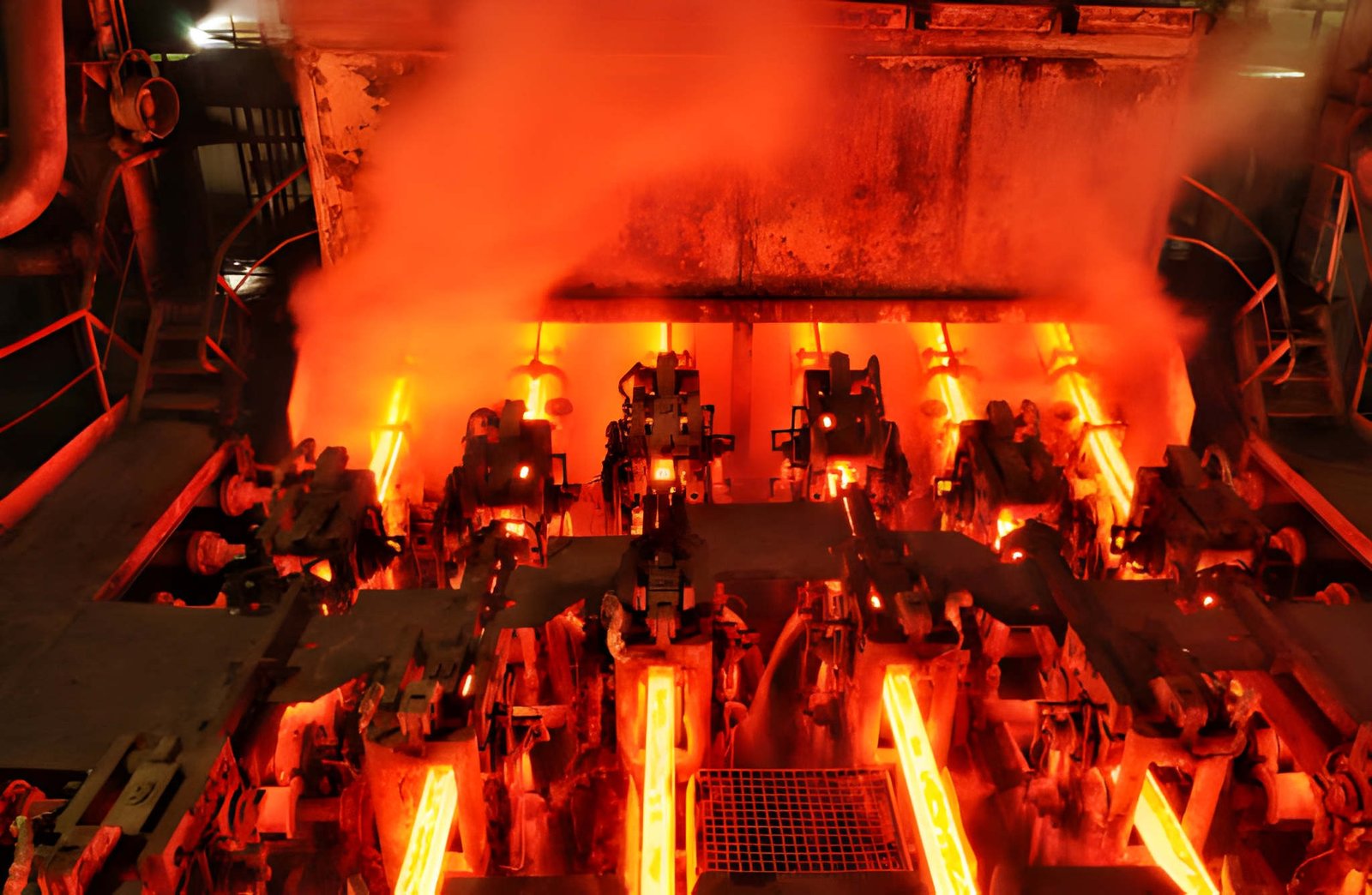
The steel industry runs in one of the most competitive manufacturing spaces out there, where even a small gain in production efficiency can translate into real cost savings and stronger profitability. Hot steel plants deal with constant pressure from high energy use, equipment wear, production bottlenecks, inconsistent product quality, and unplanned downtime.
Bringing in the right equipment manufacturer and turnkey partner can help you design a plant that avoids these problems from day one — or fix an existing one that’s already struggling with them. Go with the wrong partner, though, and you risk poor equipment quality, delayed commissioning, and years of operational headaches.
This guide walks through the key factors to weigh when choosing a manufacturer for a hot steel rolling mill project, and how to make sure that investment actually pays off.
Why Efficiency Matters on the Mill Floor
Efficiency in a hot steel operation goes well beyond just running the line faster. It’s about tightening up every stage of the process while holding onto product quality, cutting waste, and keeping operating costs in check.
A well-built steel plant typically delivers:
- Higher production output
- Lower energy consumption
- Fewer rolling defects
- Better equipment utilization
- More consistent product quality
- Less material waste
- Stronger profitability
According to the International Energy Agency (IEA), steel manufacturing accounts for roughly 7–9% of global energy demand, which makes energy-efficient plant design one of the most effective levers for staying competitive and sustainable.
Understand Your Plant’s Needs First
Before you approach any manufacturer, get clear on your own goals. Are you setting up a brand-new plant, or revamping an existing one that’s underperforming? Every project comes with different priorities, and knowing yours upfront helps you find a partner with the right capabilities.
Common needs include:
- A new turnkey plant setup
- Revamping outdated equipment
- Reducing high fuel or electricity consumption
- Fixing frequent stoppages
- Increasing low production throughput
- Cutting excessive cobbles or rolling failures
- Lowering high maintenance costs
- Reducing yield losses
- Improving process automation
Having your own baseline production data — or a clear picture of what you want a new plant to achieve — makes early conversations with manufacturers far more productive.
Look for Industry-Specific Experience
Hot rolling is a specialized field, plain and simple. General equipment suppliers often don’t have the technical depth needed to design or build a proper rolling mill line.
Look for a manufacturer with hands-on experience in:
- Rebar mills
- Wire rod mills
- Section mills
- Structural steel rolling
- Bar mills
- Billet reheating furnaces
- Shearing machines and gear boxes
- Rolling automation
Ask directly about past plants they’ve designed, built, or revamped that are similar to what you need. A manufacturer that already understands your type of production setup will design and deliver a system that fits, rather than forcing a generic template onto your operation.
Evaluate Technical and Design Capability
A solid manufacturer should be comfortable across the entire plant lifecycle — designing, building, installing, and supporting the equipment long after handover.
Their capability should cover:
Plant and Machine Design — layout planning, pass design, rolling schedules, and equipment sizing suited to your product mix and output targets.
Furnace Efficiency — reheating furnace design that keeps fuel use low while maintaining proper billet temperature.
Core Equipment Manufacturing — rolling stands, guides, rolls, bearings, cooling systems, conveyors, crop shears, gear boxes, and finishing equipment built to hold up under continuous use.
Automation — modern plants increasingly rely on PLC systems, SCADA, process monitoring, and digital process control. A capable manufacturer should be just as strong on the automation side as on the mechanical side.
Review Previous Projects and Track Record
One of the clearest signs of what a manufacturer can deliver is what they’ve already built elsewhere.
Ask about:
- Similar plants they’ve designed, supplied, or installed
- Turnkey projects completed end to end
- Revamping projects and the improvements achieved
- Export experience and international clients
- Customer references you can actually call
For example, an experienced manufacturer might point to past projects where their equipment or revamping work helped a client:
- Boost production by 12%
- Cut fuel consumption by 10%
- Improve yield by 2%
- Reduce downtime by 15%
Numbers like these show real, practical results rather than promises on a brochure.
Focus on Data-Driven Plant Design
A good manufacturer designs around actual operating requirements, not guesswork.
They should factor in:
- Your target production capacity
- Expected energy consumption
- Rolling speed requirements
- Furnace efficiency needs
- Maintenance and spare parts planning
- Product quality and rejection tolerances
- Long-term equipment reliability
Working from real numbers lets a manufacturer design a plant that actually matches what you need, instead of over- or under-building.
Assess Their Problem-Solving Approach
Every plant is a little different, even within the same industry.
A capable manufacturer should offer:
- Site visits and plant assessments (for revamping projects)
- Equipment and layout evaluations
- Process discussions with your team
- Custom design proposals
Steer clear of anyone offering cookie-cutter equipment lists before they’ve actually taken the time to understand your site, your goals, and your budget. The best partners build a plan around your operation, not a one-size-fits-all package.
Verify Knowledge of Modern Technologies
Steel manufacturing keeps evolving as digital tools mature.
A capable manufacturer should be familiar with:
- Industry 4.0 concepts
- Predictive maintenance
- Process automation
- IoT sensors and monitoring
- Production dashboards
- Digital process control
Not every plant needs the full digital toolkit right away, but a manufacturer who understands where the technology is headed will design equipment that holds up as your needs grow.
Consider Energy-Efficient Design
Energy is one of the biggest line items in hot rolling, so equipment design should account for this from the start.
Look for manufacturers who build in:
- Efficient furnace design and burner tuning
- Heat recovery systems
- Well-planned rolling schedules
- Reduced idle time in the process flow
- Efficient motors and drives
- Optimized cooling systems
Even a modest reduction in energy use can add up to substantial savings over a full year of operation.
Evaluate After-Sale and Maintenance Support
Equipment reliability has a direct, measurable impact on how efficiently a hot steel rolling mill plant actually runs, long after installation is complete.
Look for manufacturers offering:
- Preventive and predictive maintenance guidance
- Spare parts availability and support
- Lubrication and roll management advice
- Bearing and vibration monitoring support
- Ongoing after-sale service
Strong after-sale support is one of the fastest ways to cut down on unexpected breakdowns and keep production running on schedule.
Ensure Strong Communication Throughout the Project
Technical capability alone won’t get you there.
A good manufacturer should be able to clearly explain:
- Design decisions and why they were made
- Equipment specifications
- Installation and commissioning timelines
- Expected performance benchmarks
- Support available after handover
Clear communication means your plant managers, engineers, and operators are all on the same page about what’s being built and how it will run.
Ask About Installation and Revamping Support
Some manufacturers simply supply equipment and leave the rest to you. Others handle the full turnkey process, including installation and revamping of existing lines.
Full-service support might include:
- Turnkey plant setup from design to commissioning
- On-site installation
- Revamping of outdated or underperforming plants
- Operator training
- Follow-up visits and ongoing support
Manufacturers who stay involved through installation and beyond tend to deliver plants that perform better over the long run.
Compare Cost With Long-Term Value
Going with the cheapest quote on the table is rarely the smart move.
Instead, weigh:
- Design and manufacturing experience
- Equipment quality and durability
- Turnkey and installation capability
- After-sale support
- Return on investment over the plant’s lifetime
A manufacturer who delivers reliable, efficient equipment can generate savings that far outweigh a lower upfront price from a less capable supplier.
Questions to Ask Before Choosing a Manufacturer
Come prepared with a structured list of questions for any manufacturer you’re considering:
- How many hot rolling plants have you designed, supplied, or installed?
- Do you offer turnkey project setup, or equipment supply only?
- Can you handle revamping of an existing plant?
- What measurable improvements have past clients seen?
- What data do you need before you start designing?
- Will you support installation and commissioning on-site?
- What after-sale support do you offer?
- Can you share client references or past project details?
Their answers will tell you a lot about both their technical depth and their real-world delivery capability.
Warning Signs to Watch For
Be cautious of any manufacturer who:
- Promises unrealistic production numbers without a proper plant study
- Offers generic equipment lists without understanding your site
- Can’t provide references or past project examples
- Lacks real experience in hot rolling equipment
- Avoids talking about after-sale support
- Is vague about installation and commissioning responsibilities
A trustworthy manufacturer bases recommendations on engineering data and real project experience — not sales talk.
Benefits of Choosing the Right Manufacturing Partner
Partnering with the right manufacturer for your rolling mill plant can deliver real, lasting improvements, including:
- Increased production capacity
- Reduced energy costs
- Lower maintenance expenses
- Higher product quality
- Improved yield
- Better process stability
- Less downtime
- Smoother installation and commissioning
- Stronger return on investment
- Greater long-term competitiveness
These gains help keep steel producers profitable in an increasingly demanding market.
Conclusion
Choosing the right manufacturer for a hot steel rolling mill plant — whether it’s a new turnkey setup or a revamp of an existing line — is a strategic investment that can meaningfully boost productivity, cut operating costs, and strengthen your overall business performance. The ideal partner brings industry-specific experience, strong design and manufacturing capability, and hands-on installation and after-sale support to the table.
Rather than focusing purely on the initial quote, look closely at a manufacturer’s track record, their grasp of how a hot rolling plant actually runs, their design approach, and their commitment to long-term support. A capable partner doesn’t just supply equipment — they help you build or upgrade a plant that creates lasting value for years to come.
Making an informed choice here means steel manufacturers can improve efficiency, optimize energy use, cut down on downtime, and build a more competitive, resilient plant for the years ahead.
Frequently Asked Questions (FAQs)
Q1. Why should I work with a specialized manufacturer for a hot steel plant?
Ans: A specialized manufacturer designs and builds equipment suited to your exact production goals, improving productivity, reducing costs, and enhancing product quality.
Q2: What should I look for in an equipment manufacturer for this type of work?
Ans: Choose a partner with proven industry experience, strong design and manufacturing capability, and a track record of successful turnkey or revamping projects.
Q3: Can a manufacturer help revamp an existing plant instead of building a new one?
Ans: Yes. Many manufacturers offer revamping services that upgrade outdated equipment and automation to improve efficiency without a full rebuild.
Q4. How long does a turnkey plant project usually take?
Ans: Timelines vary depending on plant size and scope, but most projects involve a design and planning phase followed by several months of manufacturing, installation, and commissioning.
Q5. What information should I share with a manufacturer before starting?
Ans: Share your target production capacity, product mix, site details, and any existing production or maintenance data if you’re revamping a current plant.
Q6. How is project success measured?
Ans: Success is measured by higher production, lower energy costs, reduced downtime, improved yield, and better product quality after commissioning.
Q7. Is the cheapest quote always the best choice?
Ans: No. Focus on design experience, equipment quality, and after-sale support rather than upfront cost alone.
Q8. Can manufacturers help with automation?
Ans: Yes. Many manufacturers can build automation, digital monitoring, and process control systems directly into new or revamped plants.